
Technical library
The library is organized around jobs to be done: plan the page, ship the markup, make it crawlable, make it extractable, and maintain it after launch.
How this library is organized
The article library is split between technical SEO, Generative Engine Optimization, and the overlap between the two. SEO articles focus on crawlable architecture, metadata, canonical rules, schema, robots.txt, sitemap output, rendering, and maintenance. GEO articles focus on answer structure, entity clarity, evidence blocks, llms.txt, source-aware summaries, and visibility checks.
Most articles are implementation guides rather than opinion pieces. They are meant to help a reader make a decision, change a template, audit a live URL, or improve a publishing workflow without needing a separate sales call or hidden checklist.
What makes an article useful here
A SeoGeo Tech article should have a specific reader task, concrete examples, visible limitations, and links to related guides. When a topic is broad, the article should explain where it fits in the site architecture instead of competing with the main SEO or GEO hub.
This matters for quality review as much as search visibility. A strong article index should route visitors to original, practical pages; it should not behave like a thin archive that exists only to collect keywords. The cards below point to pages that are designed to stand on their own and connect back into the wider technical library.
All articles

Google Search Console Generative AI Report: How I Use It for Technical GEO
How I use Google Search Console's Generative AI Report to measure GEO visibility and decide what to improve next.

Why Google Chose These Three Headings From My Article
A SeoGeo Tech case study exploring why Google surfaced three article headings as sitelinks, and what that suggests about page structure, search navigation, and Technical GEO.

Query Fan-Out SEO: How to Optimize Content for AI Search
Learn how query fan-out can improve AI search content by mapping related queries, content gaps, and existing pages.
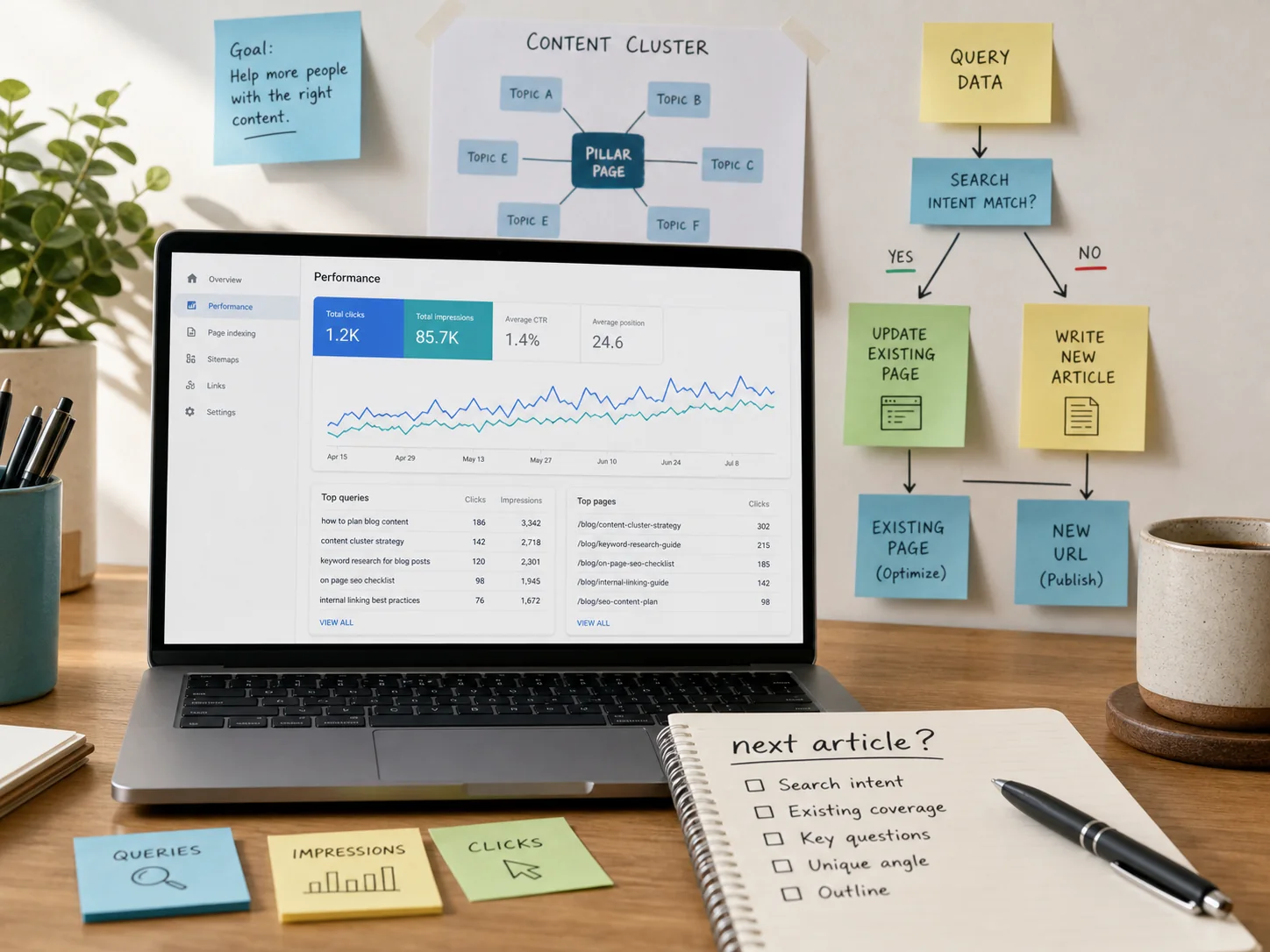
Why I Check Google Search Console Before Writing My Next Article
How I use Google Search Console on SeoGeo Tech to decide whether to write, improve, or wait.

My Post-Publish SEO QA Workflow: What I Manually Check After Requesting Indexing
Search Console is only the beginning. Here is the manual QA workflow I use after publishing or updating an SEO article.
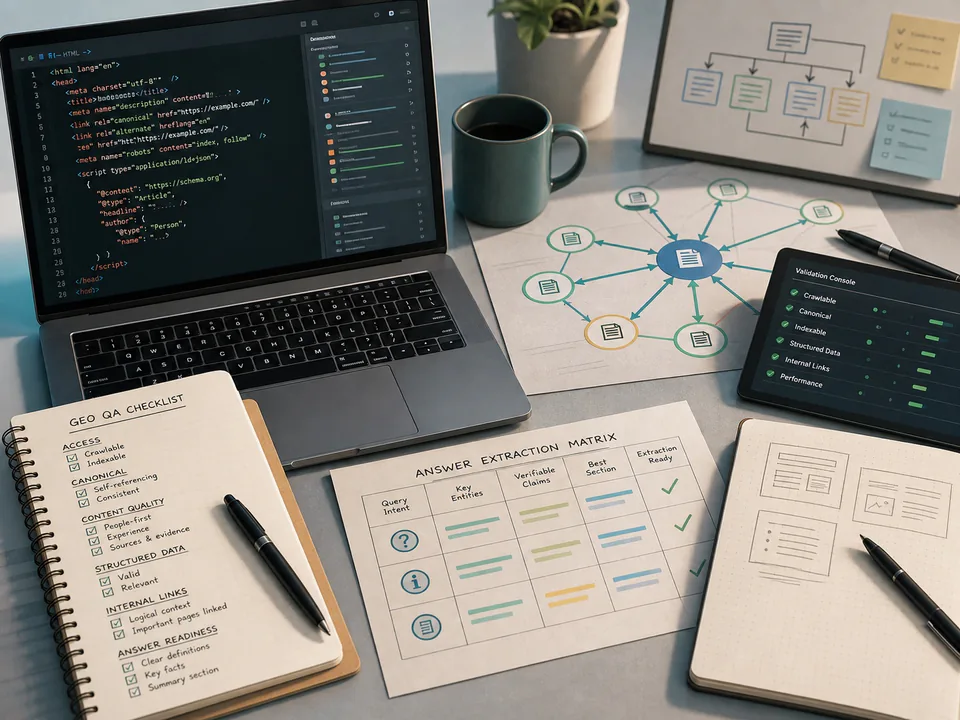
What Is Technical GEO? Definition and Implementation Guide
Learn what Technical GEO is, what it includes, and how to do it with clean HTML, canonical metadata, structured data, internal links, and evidence checks.

How My Website Appeared in Google AI Overview: A Real GEO Case Study
A real GEO case study documenting how my website, SeoGeo Tech, appeared in Google AI Overview and Google AI Mode, what I observed, what may have helped, and what I'll continue tracking.

GEO Content Structure and Formatting Test
A controlled GEO content formatting experiment comparing paragraphs, tables, definition lists, and source blocks for GPT-style answer visibility.

GEO Testing for AI Search Answer Extraction
A hands-on GEO testing workflow for AI search and technical pages that need claims, scope, caveats, and evidence to survive answer summaries.

GEO for Visual Evidence and Diagrams
How to make screenshots, diagrams, charts, and visual proof easier for readers and answer engines to understand without hiding the real claim inside an image.

GEO Source Blocks and Verifiable Claims
How to write GEO source blocks that make claims easier to verify, summarize, and cite with evidence notes, limitation language, and HTML examples.

GEO for Technical Documentation and Changelogs
How to structure documentation, API notes, release notes, and changelogs so answer engines can extract accurate, version-aware summaries.

Technical SEO Implementation Checklist
A practical technical SEO checklist for titles, metadata, URLs, internal links, schema, robots.txt, sitemap output, rendering, and performance.
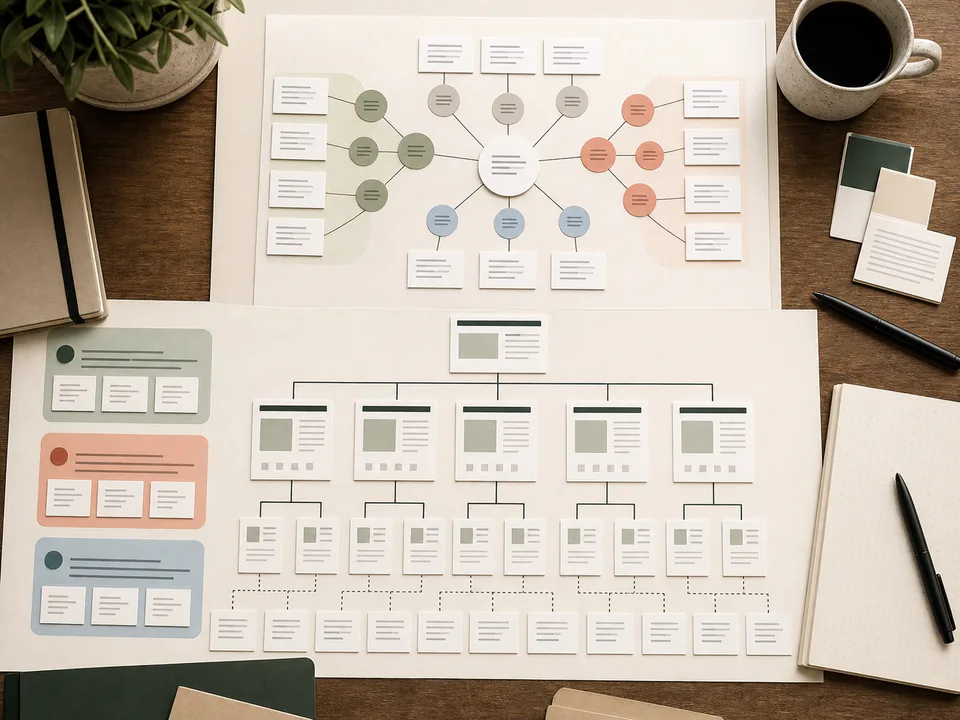
Keyword Research That Turns Into a Page Map
How to turn keyword research into a practical SEO page map with intent, page type, content requirements, and internal linking decisions.

Metadata and Canonical URL Examples
Copy-ready examples for title tags, meta descriptions, canonical URLs, Open Graph tags, Next.js metadata, Astro frontmatter, WordPress templates, and static HTML.

Robots.txt and Sitemap Examples for Content Sites
Practical robots.txt and sitemap.xml examples for technical content sites, including safe defaults, private paths, static generators, and validation checks.

Structured Data JSON-LD Examples for SEO and GEO
Practical JSON-LD examples for Article, WebPage, Organization, WebSite, and BreadcrumbList schema on a technical content site.

Rendering and Performance for SEO
How rendering choices, JavaScript, Core Web Vitals, image sizing, and server responses affect technical SEO for content-heavy websites.

Site Architecture and Internal Linking for SEO
How to design hubs, categories, breadcrumbs, internal links, and content clusters that make a technical website easier to crawl and understand.

What Is Generative Engine Optimization?
A practical definition of Generative Engine Optimization, how it differs from SEO, and what to implement first for AI-readable content.
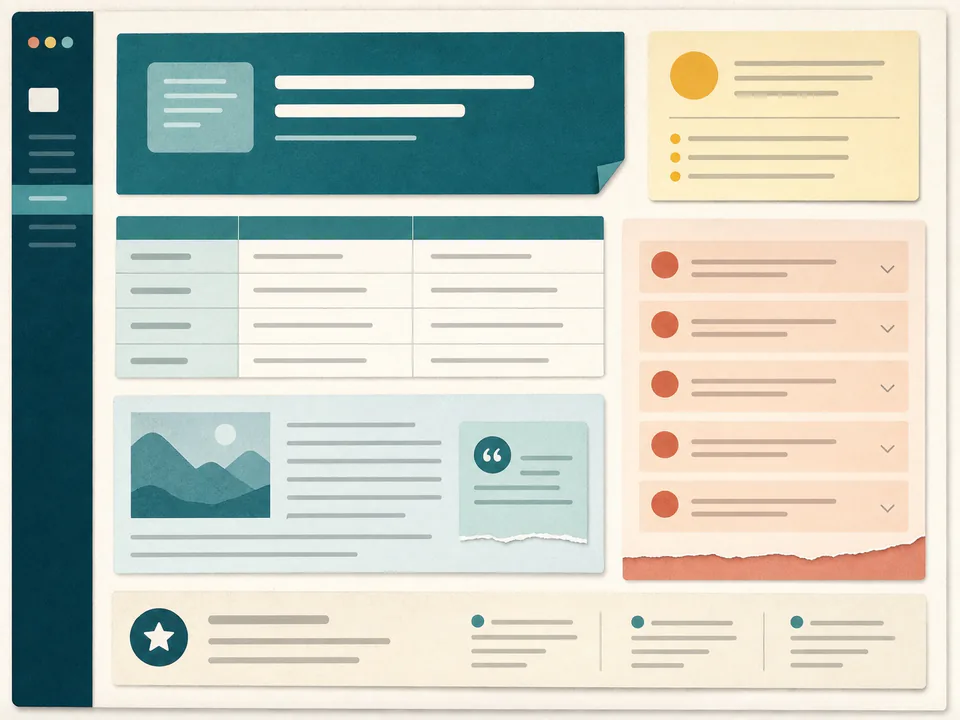
GEO Content Structure Examples
Practical GEO page patterns with direct answers, summaries, evidence blocks, comparison tables, FAQ sections, source notes, and HTML examples.

llms.txt and AI-Readable Documentation
How to create an llms.txt file and AI-readable documentation map with concise descriptions, canonical URLs, topic grouping, and maintenance rules.
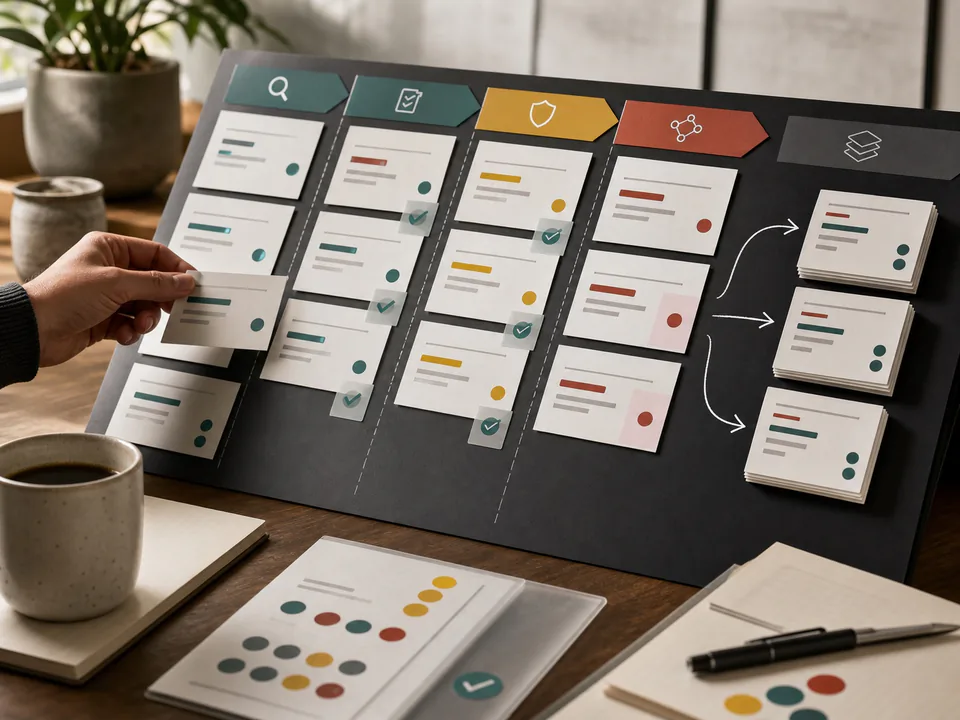
GEO Content Audit Workflow
A repeatable GEO audit workflow for answer extraction, entity consistency, source support, content structure, and page consolidation.

Entity-First Content Architecture for GEO
How to structure entities, definitions, topic clusters, source pages, and internal links so AI answer systems can understand relationships across a site.

AI Answer Visibility Measurement
How to track AI answer visibility with prompt panels, citation checks, mentions, referral traffic, confidence notes, and repeatable reporting.

SEO vs GEO: A Practical Comparison
A practical comparison of SEO and GEO with implementation priorities, page examples, shared foundations, and differences in measurement.

Content Refresh Workflow for SEO and GEO
A practical workflow for refreshing technical content with update triggers, change logs, source review, internal links, examples, and quality checks.

Static Site Setup for SEO and GEO
How to set up a static content site for SEO and GEO with pre-rendered HTML, sitemap generation, robots.txt, RSS, llms.txt, schema, and responsive templates.